


Lucifer Crocosmia
C’mon, you can say it: Crocosmia. That’s “crow-KOS-me-ah.” Try it again out loud. Now that you are comfortable pronouncing the strange name of this beautiful bulbous plant in public, let its blooming glory be seen in your garden this summer.
This deer-resistant pretty is certainly worth the planting space in any ornamental bed. As its small flowers begin to open, they resemble the trumpet-shaped blossoms of honeysuckles. However, the petals continue to open and bend back until each flower fully parades its pistil and stamens into the four winds. The blossoms are displayed on drooping fans held up by 30- to 36-inch tall, arching stems that bob in the slightest breeze and showcase as many as 50 blooms per stem.
And color! Imagine the red of a fire truck, and then make it even brighter — that’s the flowers of Lucifer, a devil of a cultivar that literally glows in a perennial border. It gets plenty of visual competition from the crackling crimson of Mistral. More hot hues radiate from Emily McKenzie with her orange blooms and simmering, reddish brown centers, while a calmer color can be had with George Davidson, which displays sedate, lemon-yellow flowers.
Crocosmia corms, which are hardy in the Southeast, are best planted in late April to mid-May. The plants bloom in midsummer, but sometimes they are shy about putting on a big flower show their first year in the garden. By the second year, however, they are usually in full flaunt.
For the best bloom production, situate the corms in a site that receives full sun with, if possible, a bit of shade later in the afternoon. Also, improve the planting site by incorporating plenty of compost or quality topsoil as well as a little bit of high-phosphorus fertilizer while preparing the bed. And when the summer begins to simmer in June, add a 2 to 3-inch topping of mulch to help stabilize soil temperatures and conserve ground moisture.
Once happy and established, crocosmias readily multiply. To prevent overcrowding, which could result in a downturn in flower production, lift and divide the corms every two to three years. A good time to do this is in the spring when young sprouts from the corms just begin to emerge from the soil.
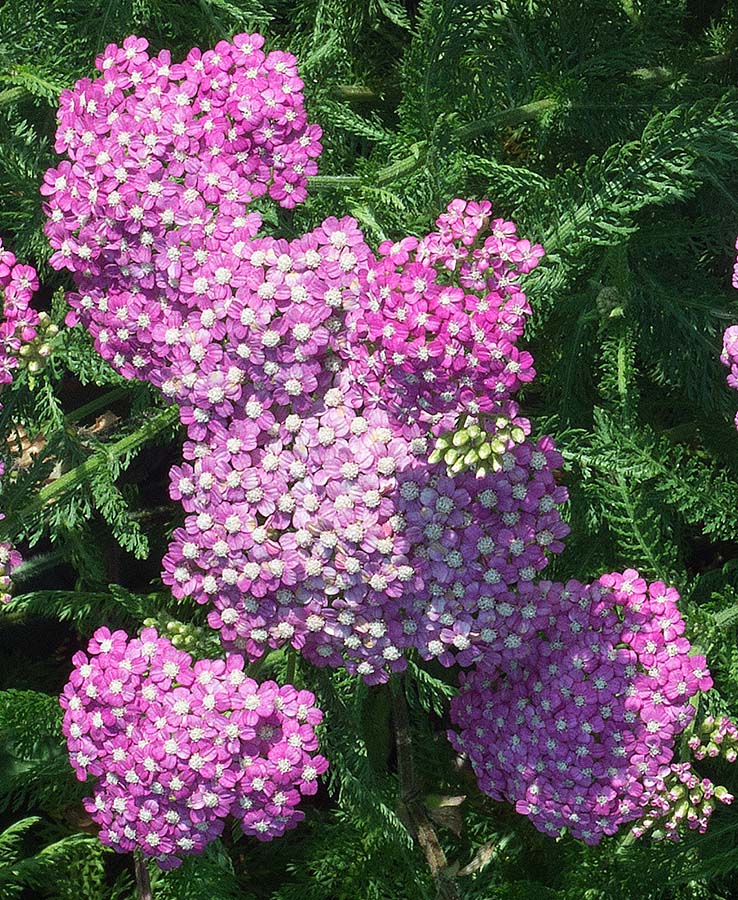
Yarow
Garden To Do’s for April
- April is a good time to plant forever — well, at least forever flowers. The blooms of so-called “everlastings,” such as celosia, gomphrena, yarrow, globe thistle, liatris, statice and strawflower, are easily dried and hold up quite well in indoor arrangements. The best way to dehydrate them is by hanging small batches upside down in a warm, dark, dry location such as an attic or unlit garage until they feel crispy to the touch — depending on the flower, usually one to three weeks.
- Want the best production of fancy foliage from caladiums? Remember that caladiums, while pretty, are hogs — they need generous amounts of water and fertilizer on a regular basis in order to continue producing swanky new leaves through the growing season.
- When adding tomato transplants to the spring veggie garden, take advantage of the warm soil close to the surface (which induces root growth) by planting the tomatoes parallel to the ground in trenches rather than deep holes. For an even stronger root system, bury all but the upper 3 to 4 inches of each plant.
- Go wild. Incorporate into your landscape dependable native wildflowers such as turtlehead, ironweed, or cardinal flower that really stand out in planting beds with eye-catching blooms.
About the Author
Share Your Thoughts
Have a question about this story or just want to share what you thought? We’d love to hear from you!
More April Gardening Ideas for NC


