


Q:With the warm weather here, I’m ready to get outside and tackle some home improvement projects to make sure my home is healthy. What are some signs and issues to look out for?
A: It’s never a bad idea to check on the status of your home to ensure it’s both a comfortable and healthy environment. Below are three overarching areas worth exploring, along with no- and low-cost tips to help keep any issues from potentially becoming bigger problems.
Keep it dry
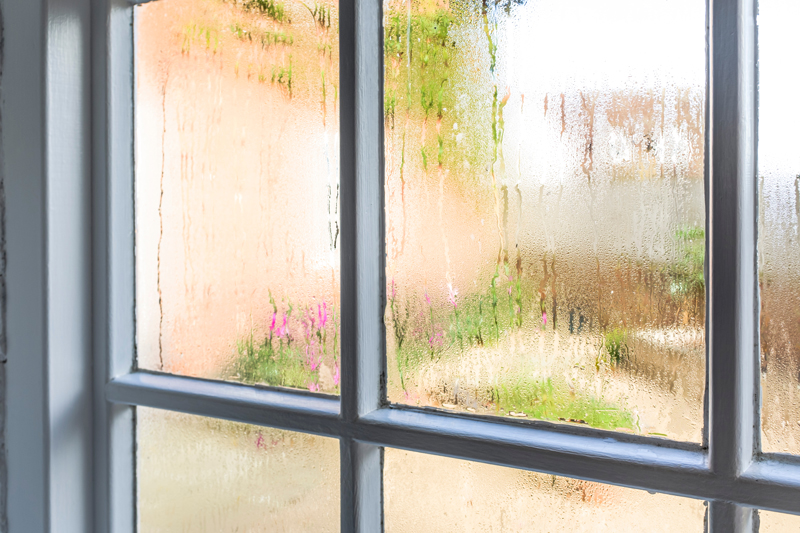
Keep your eyes peeled for moisture, which can have wide-ranging effects, including causing mold and rot. Check for leaks and condensation on windows and under sinks. If you have a crawl space, make sure the ground is covered with plastic sheeting or consider closing the space altogether. If you’re having grading or driveway work done, take advantage of the equipment to correct any places where the ground slopes toward your home instead of away from it. Also check that gutters and downspouts are clear, in good shape and taking water away from your home.
Keep it pest-free
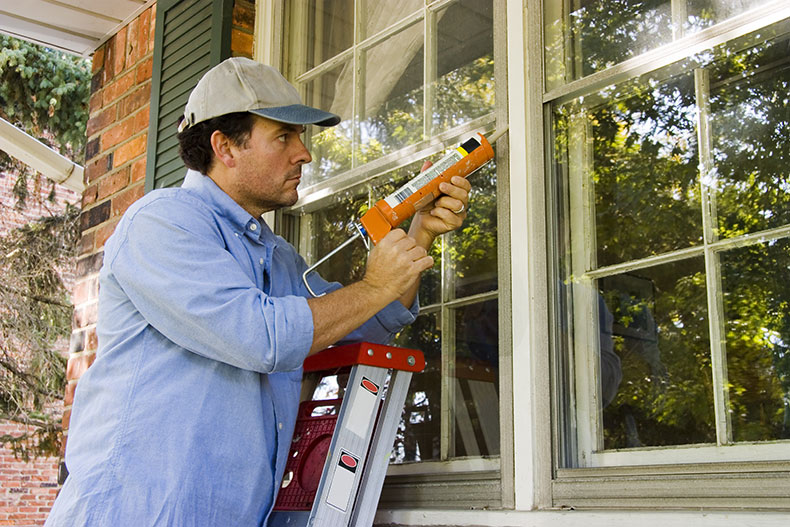
A dry home has the extra perk of making your living space less pest-friendly, but you’ll want to additionally seal holes to keep critters out and improve energy efficiency. Just be careful not to surprise any snakes, wasps or spiders in the process.
Keep it contaminant-free
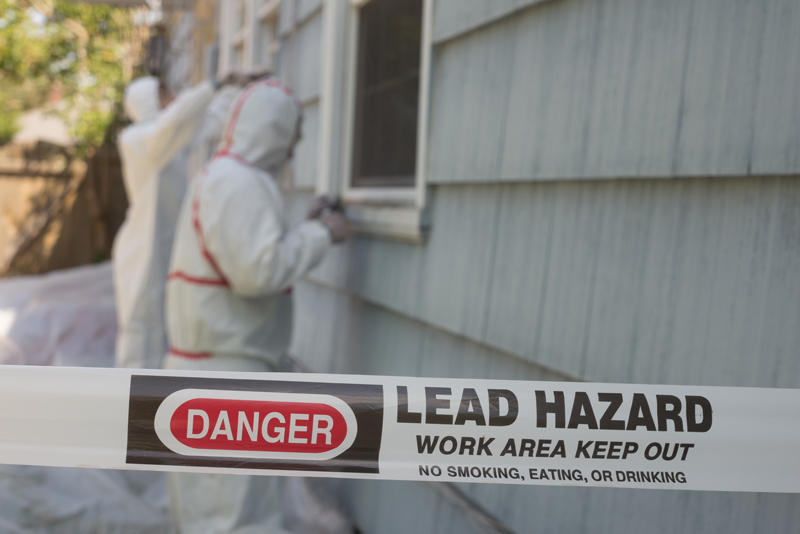
Improving the freshness and quality of the air in your home is another goal to strive for. For older homes, particularly those built before 1978, one concern is the presence of lead-based paint. Lead exposure can cause a host of health problems, particularly in young children.
If you are in an older home, check for signs of deteriorating paint, which can produce paint chips or dust. These can also stem from home repairs or tracking in lead-contaminated soil from outside. To limit exposure, make sure all painted surfaces are in good condition, clean frequently to reduce the likelihood of chips and dust, and use a lead-safe certified renovator for any repairs or painting. If you have concerns about the status of lead in your home, you can get it tested through an inspection or risk assessment.
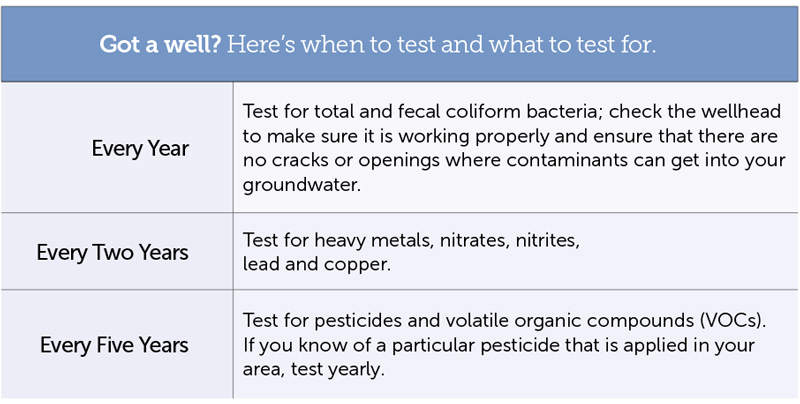
Other potential issues include asbestos, carbon monoxide (ensure you have a working detector) and additional combustion byproducts. If you store chemicals or pesticides in your garage or crawl space, you can weatherstrip or air seal any gaps so contaminants don’t seep into the living space, or consider moving them to an outdoor shed. And if you use a private well for drinking water, you may want to get that tested for contaminants regularly. The NC Department of Health and Human Services recommends the testing schedule in the table below.
About the Author
Share Your Thoughts
Have a question about this story or just want to share what you thought? We’d love to hear from you!


