


Ford
But transitioning to an EV requires careful consideration of multiple factors. The following list overviews key aspects of EV ownership and can help you make an informed decision based on your specific needs.
EV Knowledge: Familiarize yourself with EV basics. Understand the differences between battery electric vehicles (BEV), plug-in hybrid electric vehicles (PHEV) and fuel cell electric vehicles (FCEV). Consider your daily, monthly and annual driving needs, and evaluate each option.
Ford
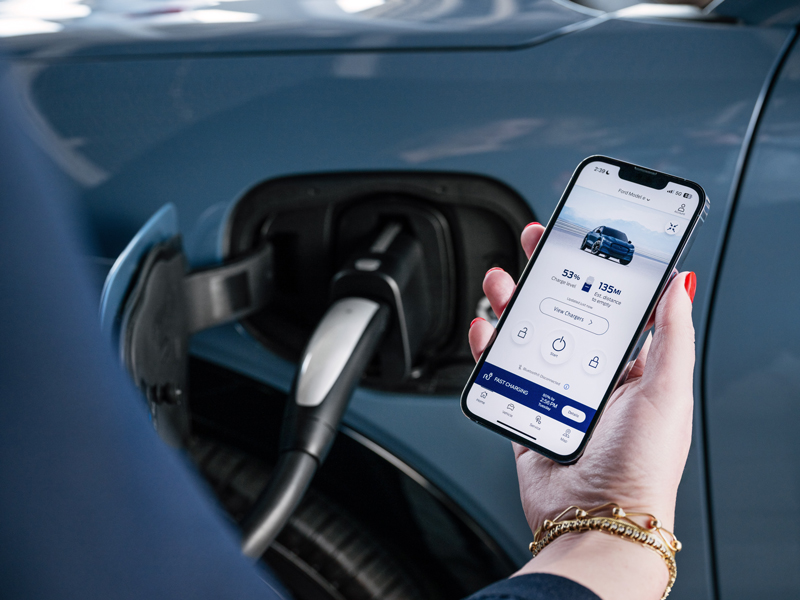
Driving Range: Evaluate the EV’s driving range when fully charged to ensure it aligns with your daily commute. We often think about a summer road trip for our driving needs, but it’s important to remember there are other options for infrequent, long-distance travel.
Home Charging: Determine if you will need to install a Level 2 charger and if your home’s electrical system is compatible. By evaluating your whole home energy use, you can determine if electrical panel upgrades are necessary for a Level 2 system. Level 1 chargers typically do not require upgrades but charge at a much slower rate.
Public Charging Options: Research the availability of public charging stations along your typical routes. Make note of how long it would take to charge at those convenient to you — whereas DC fast chargers can charge a depleted EV battery to 80 percent in under 30 minutes, Level 2 chargers provide between 10 and 20 miles of range per hour of charging.
Cost Comparisons: Compare EV prices from multiple dealerships. Sticker prices are higher upfront, but EVs have proven to be cost effective due to reduced maintenance and fuel costs.
Financial Incentives: Explore federal, state and local incentives available for EV purchases. Check with your electric co-op to see if they offer incentives or special charging rates for EVs.
Maintenance: EVs have far fewer moving parts than combustion-engine vehicles and typically require less maintenance (no oil changes, for one), which can lead to long-term savings.
Battery Warranty: Ensure the EV battery includes a substantial warranty. Most manufacturers offer eight-year warranties (or up to 100,000 miles).
Insurance Implications: Consult with your insurance provider to review potential changes to your policy when owning an EV.
Fees: Some plug-in electric vehicles are subject to additional fees to compensate for road tax revenue that is typically collected from gasoline taxes. Additionally, you may have to pay a higher vehicle registration fee for EVs and hybrid vehicles. It’s important to be aware of these potential fees when considering the total cost of ownership for an EV.
EV ownership offers many benefits. EVs often have fewer restrictions in High Occupancy Vehicle (HOV) lanes, allowing for quicker commutes. And owning an EV is a fun experience — drivers can enjoy a fast-accelerating, quieter ride.
If you’re interested in an EV, reach out to your electric co-op. Many North Carolina co-ops offer “ride and drive” events, home charging programs and more, allowing members to gain firsthand experience and determine if an EV is right for them.
About the Author
Share Your Thoughts
Have a question about this story or just want to share what you thought? We’d love to hear from you!
Considering an EV?


