


Spring-planted, Halloween-ready pumpkins
African Blue Basil
The leaves and stems of this hybrid basil (Ocimum kilimandscharicum x basilicum), which can reach up to about 3 to 4 feet tall, are tinged with purple, and its bloom spikes show off in shades of light lavender, making it a pretty contender for any herb or even ornamental bed. But what makes it a permanent addition to my garden every spring is the foliage’s fragrance, which is typical basil aroma but heavily enhanced with a pleasing dose of camphor — and released to the four winds by the slightest touch.
Thai Basil
This is a handsome herb (Ocimum basilicum var. thyrsiflora), showing off green leaves supported on purple stems topped by sprites of equally purple blossoms. Growing to about 18 inches tall, it can grab attention on the front of an herb garden or, heck, even a flower border. This basil’s spicy, anise-like flavor makes it a must in many Asian dishes. ‘Siam Queen’ (an All-America Selections winner) is the typical Thai basil cultivar found in garden centers.
Purple Ruffles Basil
With crinkly leaves that can dip into the deepest of purple hues, it’s sometimes hard to convince other gardeners that this oddity ‘Purple Ruffles’ (Ocimum basilicum) really is basil. The foliage of ‘Purple Ruffles’ (another All-America Selections winner, by the way) is very dramatic, but this basil’s scent and flavor are quite light, which makes the leaves an ideal addition to pestos, salads or sandwiches. Its dark coloring is also a visual plus when added to herb vinegars.
Descriptions of ‘Purple Ruffles’ usually mention the plants will reach about 2 feet high. Well, last year, I seeded them in an area preferred by basils — organically amended, well-draining soil in full sun — and by the end of the growing season, as opposed to my Thai and African Blue basils that behaved in the same area, I was staring at 5-foot plants. So plan and plant with this in mind.
Garden To-Do’s for May
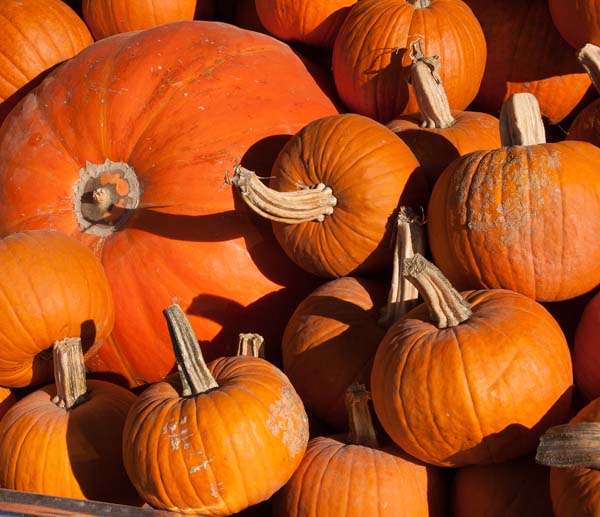
The end of this month into June is the beginning of Halloween, if you want home-harvested pumpkins that will be ready by October because, on average, it takes about 90 to 120 days to mature these spooky cucurbits from seed. Pick an area in full sun and create planting mounds in your pumpkin patch by tilling in lots of compost or quality commercial garden manure. Compost will also do well as mulch because its natural nutrients will help bulk up these heavy feeders. As an alternative, pumpkins can be nourished with a time-release fertilizer at planting time or with monthly doses of liquid fertilizer.
- Soil moisture is crucial for garden-grown onions and cucumbers. If it doesn’t rain, and these veggies are not irrigated with at least an inch of water each week, onions won’t mature to a proper, plump size, and cukes will develop a mouth-puckering bitter taste. Adding mulch will help level out ground water availability in between irrigation cycles.
- Strong spring rains can turn bird seed and treats to mush, so clean and dry your birdfeeders after particularly heavy downpours.
About the Author
Share Your Thoughts
Have a question about this story or just want to share what you thought? We’d love to hear from you!
More May gardens


