


Rosenwald School
Rosenwald, a German-Jewish immigrant and president of Sears, Roebuck and Company, and Washington, a former slave who put himself through school to become a teacher, shared a vision to bring education to African American children.
Rosenwald created the Rosenwald Foundation that provided seed money to build community schools for African American children across the South. Washington, then president of the Tuskegee Institute, championed equality for African Americans through education.
Between 1917 and 1932, the Rosenwald Foundation brought education to African American children in many forms, from one-room wood-frame schoolhouses to two-story multiroom schools.
Between 1917 and 1932, the Rosenwald Foundation brought education to African American children in many forms, from one-room wood-frame schoolhouses to two-story multiroom schools. Out of more than 5,300 Rosenwald Schools across the south, North Carolina’s original number totaled 813 — the greatest number in any state.
One hundred years later, a statewide research project is seeking out these schools as a way to capture history.
“In North Carolina, we’ve undertaken an initiative to locate, document and map as many as possible, those still in use in some capacity, some still standing but vacant, and those that have fallen into severe repair,” says Sarah Woodard, survey and National Register branch supervisor for the State Historic Preservation Office (SHPO). “This current county-by-county project builds on decades of documentation work; it has documented records in 35 countries and confirmed the locations of nearly 200 Rosenwald sites so far.”
Of those located, almost 50 have been listed on the National Register of Historic Places.
“However, many Rosenwald Schools have completely disappeared, and it’s nearly impossible to pinpoint where they were,” Sarah says. “In these cases, we’re doing our best, turning to local records, old maps and other resources.”
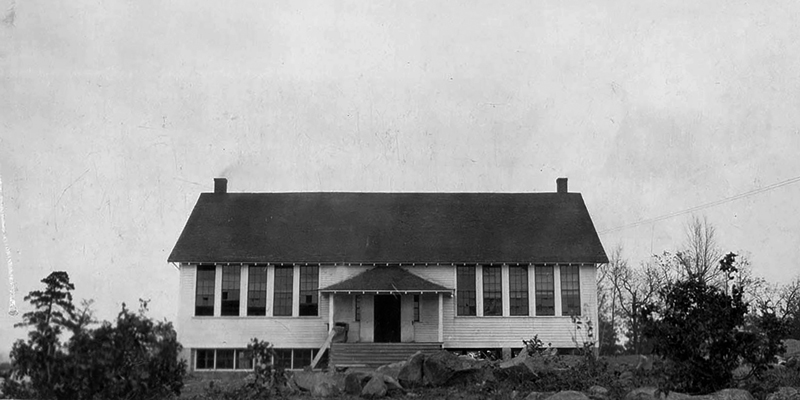
Grassroots education
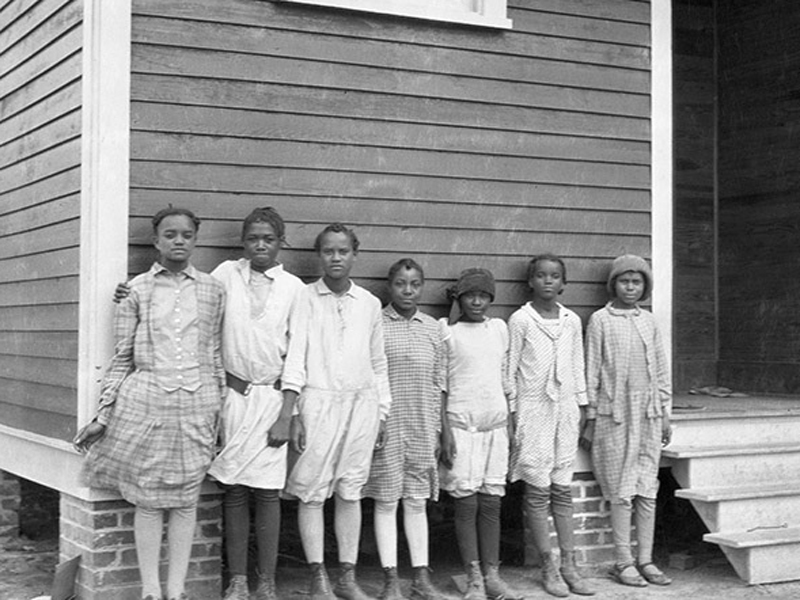
Here’s how the Rosenwald Foundation school program worked. The foundation typically provided an average of $2,000 to a town as a grant, requiring a match from the local school board as well as funds raised by the Black community.
“Each community received plans to build the schools, but it was up to them to come up with the materials and the labor,” Sarah explains. “Sometimes the county might supply the lumber, and in other situations members of the community would cut the wood from nearby forests to obtain the lumber. It varied quite a bit.”
The SHPO’s documentation initiative began in the 1980s; by 2002 the program expanded to add historic Rosenwald Schools to the National Register of Historic Places. Some of the buildings are still in use as community centers, training facilities or schools. Others are noted only by a historical marker.
The North Carolina State Historic Preservation Office and the NC African American Heritage Commission, both part of the NC Department of Natural and Cultural Resources, are working together on the documentation project. Other groups involved include the Conservation Trust for North Carolina and the National Trust Southern Office.
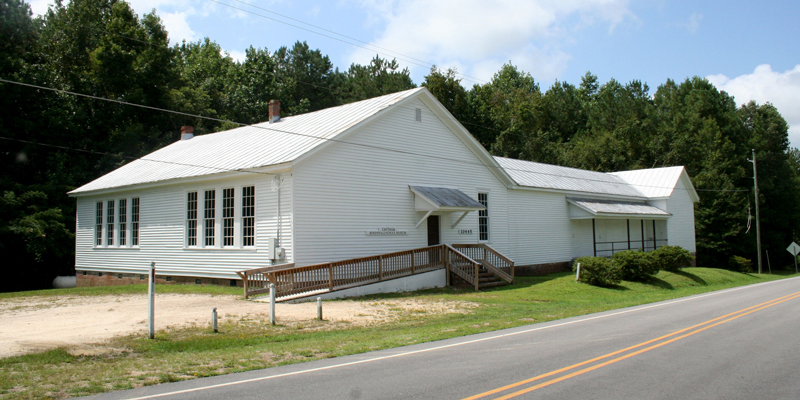
Renewed efforts
Last November, the NC African American Heritage Commission hosted the two-day Celebrating & Connecting: A Convening of North Carolina Rosenwald Schools in Raleigh, the first such conference since 2015. More than 120 people attended, from historians, community leaders, state officials and advocates.
Miranda Clinton, coordinator of the Convening for the African American Heritage Commission, sums up the event: “Attendees heard about our new digitized archives to better support our initiative, and they were able to network with other people in the state as we continue this important work. By being able to tell people about all the preservation and financial resources available to them, we hope to preserve, document and archive as many of North Carolina’s 813 Rosenwald Schools as possible before the buildings and the stories are lost.”
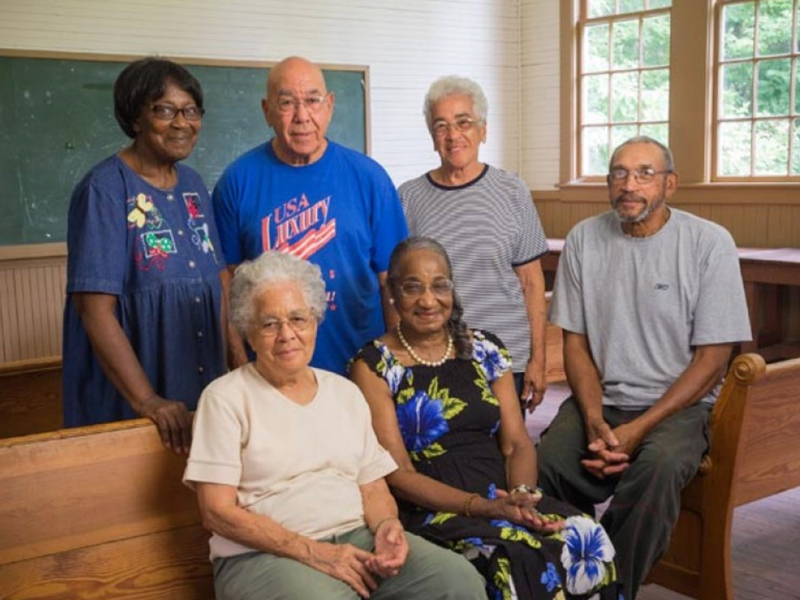
From our archives
Visit carolinacountry.com to learn about efforts to restore the Russell Rosenwald School in Durham County, including video interviews with former students, in an article from the September 2014 issue of Carolina Country.
“The convening marshaled many people and resources involved in the Rosenwald Schools project in one place,” says John Horan, oral historian with the State Archives of North Carolina. “A lot of conversations took place to continue to build a bigger community and determine what will be happening moving forward. That’s powerful.”
As a historian who has studied school integration in North Carolina, John explains how delving into the history before the story helps illuminate the present.
“The Rosenwald Schools were a marked improvement on what the African American children had before,” he says. “They still were not as good as what white students had. Nonetheless, the Rosenwald Fund, coupled with contributions from the various communities, created schools that allowed for a major investment in their children’s education. It’s crucial that we study and remember what happened 100 years ago to sort out how we arrived where we are today.
About the Author
Share Your Thoughts
Have a question about this story or just want to share what you thought? We’d love to hear from you!
More stories like this

The Russell Rosenwald School
A community saves a legendary African-American schoolhouse.

“They wanted a better life for us”
Support for restoring the meaning and purpose of the Rosenwald schools.
