


Climbing Aster
With a late flower show that begins in October and can last — if the weather is mild — into December, the unusual climbing aster (Ampelaster carolinianus) reignites blooming interest in ornamental gardens typically on the wane with the deepening of autumn. This beauty starts off slowly with sporadic sprinklings of star-like, 1-inch-wide, pale purple to pink blossoms, but it soon erupts with delightful cascades of unexpected fall floral color.
This odd aster can best be described as a stretching, sprawling shrub, or vine … or shrub-like vine. A true wanderer, the climbing aster lives up to its name, with its multiple branches growing 10 to 12 feet or more in length. In the garden, some support is needed because it reaches rather than clutches, but such an autumnal delight looks right at home weaving through a fence, leaning on a post or spilling over a wall. This woody plant does not die back in the winter, although it will lose its leaves.
And guess what? The climbing aster is actually native to our state. It can be found in eastern North Carolina wetlands and as far south as the swamps of Florida. For wanting gardeners, this aster can sometimes be spotted for sale in specialty nurseries, and it is an easy find online.
True to its soaked roots, climbing aster is an excellent addition to potentially soggy areas, such as low-lying lairs in the garden or sites that don’t drain well. However, don’t be shy about using this woody vine in other areas of the landscape, as it will also grow in rich, loamy garden soil, where it can readily thrive as long as water is provided regularly during times of extended drought.
Climbing aster will perform fairly well in partly sunny sites, but for maximum flower power, locate it in full sun. If you feel the need to feed this plant, do it in moderation. It will get by nicely with a simple spring application of compost or commercial organic fertilizer. And since it will readily sprawl, any pruning to keep it in bounds should be done in the early spring — but try not to cut off more than a third of its branches’ lengths.
Garden To Do’s for October
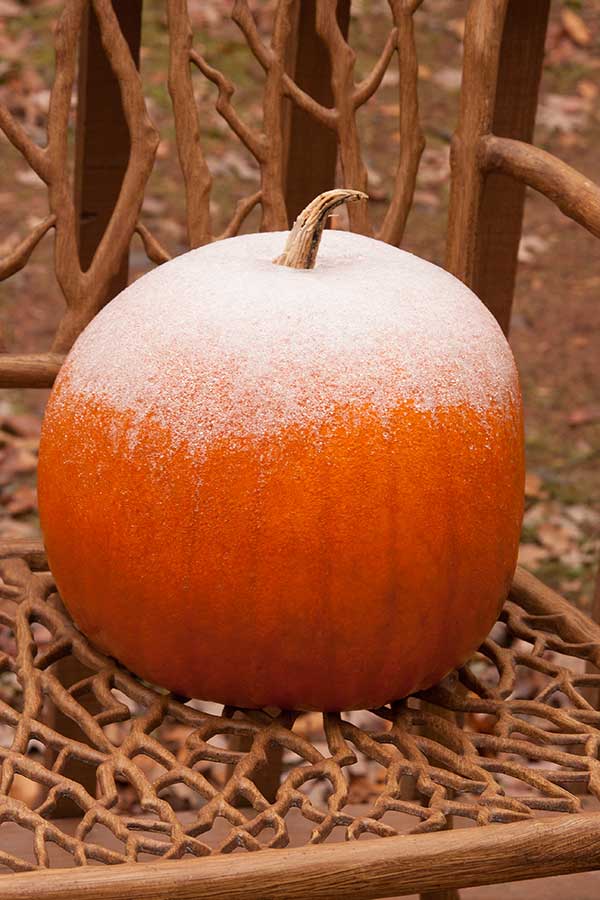
- If you want your Halloween pumpkin looking fresh as an outdoor ornament until the first heavy frosts of the season, keep it clean. After wiping the pumpkin with a slightly damp cloth, spray it with a mix of one teaspoon of bleach per quart of water to help prevent mold, mildew and bacteria from turning the rind and pulp to yuck. This spray can also be used to help extend the visual enjoyment of a carved jack o’ lantern. Of course, such a treatment trick makes the pumpkin inedible.
- During this Halloween season, haunt your favorite local garden shops for great end-of-growing-season sales on perennials, shrubs and trees.
- Thinking about adding new garden beds next year? Don’t think — start now. Dig up or rototill the areas and either leave them rough until early next spring or plant with a cover crop such as nutrient-gathering winter rye.
- Sow your salad patch before frosty nights arrive. Try perennial fruits and vegetables to plant once and eat for years.
- The autumn leaf fall can be pretty, but it can also suffocate a lawn if this spent foliage isn’t raked up every few days. This is especially true for newly established lawns.
- Speaking of falling foliage, an easy way to keep the water garden free of autumn debris is to stretch a fine mesh net over the pond to catch any wayward leaves.
About the Author
Share Your Thoughts
Have a question about this story or just want to share what you thought? We’d love to hear from you!
More fall gardening tips


