


The garden by day is beautiful. The garden by night is magical, especially if you include the strange, nocturnal-blooming moonflower (Ipomoea alba). This summer annual strongly resembles its sun-worshipping cousin, the morning glory, but it patiently waits until the evening to put on a show under the stars.
Moonflower seeds (easily found online and at most local garden shops) don’t readily germinate, so give a helping hand by either soaking them in water for 48 hours before planting or by scratching a groove in the hard seed cover with a metal file.
If you prefer sooner rather than later when it comes to sprouting moonflowers, they can be started in small pots indoors. Otherwise, simply direct sow the seeds in the garden anytime between the end of April and the middle of May. Plant the seeds a half-inch deep and 3 to 4 feet apart in a sunny garden spot that has rich, well-worked soil. Moonflowers also do quite well in large pots.
These nighttime pretties are sometimes called moonvines because, well, they are vines — capable of stretching up to 15 feet or more in length. Locate them close to something that will support and direct their growth. Trellises or fences are obvious places, but, to get up close and pleasantly personal to the flowers, also consider porch posts and deck rails.
Tip of the Month
By the middle to end of May, the water garden should be nicely warmed up in the late spring sun. Hardy water lilies and water lotuses will begin unfurling new leaves, and it will be safe to also include a few fancy tropical water lilies to add even more blooming beauty to the pond.
However, as lovely as these aquatic plants look, they are pigs when it comes to wanting fertilizer, fertilizer and more fertilizer. They best way to feed their needs — and assure maximum bloom production — is to use time-release fertilizer tablets specially made for water lilies and water lotuses. These tablets can normally be found as local garden center and online. The application rate is usually one or two tablets per plant every three to four weeks.
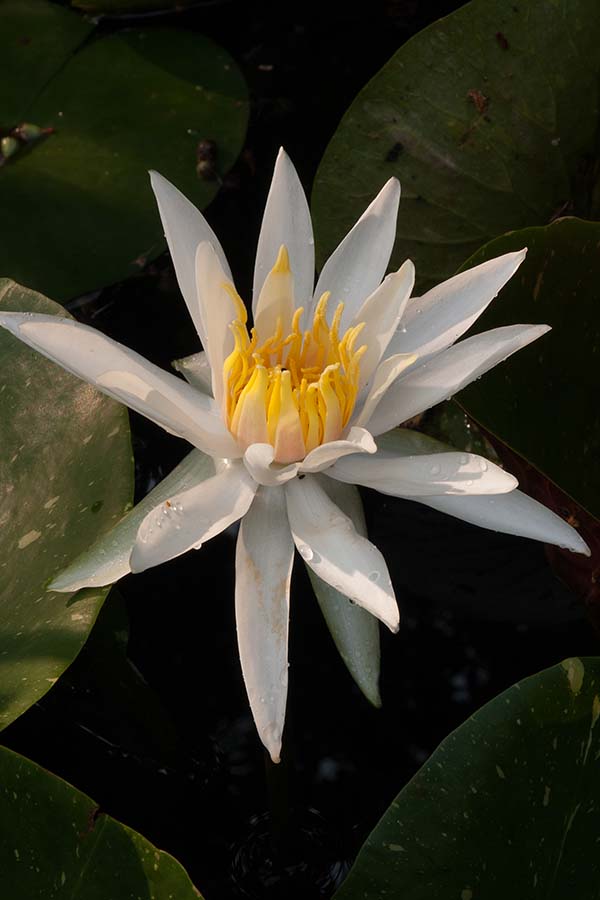
By midsummer, mature plants will begin producing large (4 to 5 inches in diameter), very fragrant, pure white flowers that start to twist open as the day ends. Each blossom only lasts one night, but they make the most of their brief time in the garden. And on moonlit nights, the sight of these ghostly blooms combined with their nocturnal perfume is nothing short of enchanting. In my opinion, the sweet scent from the flowers rivals any found in daylight gardens, and it lingers long enough to greet the rising sun.
Since moonflowers are so closely related to morning glories, a neat garden design trick to try is to interplant the two, and let them tangle their way up a support. Then, when the moonflowers are through with their beautiful “night shift,” the morning glories can greet the new day with their own pretty flowers.
Garden To Do’s
April
- After the flowers of naturalizing bulbs such as crocus, daffodils, hyacinths, ipheion and species tulips fade, allow the foliage to wilt and turn brown before pruning back. While the leaves are green, they continue to absorb energy for next year’s flower show.
- ’Tis time to fertilize. In particular, established roses, shrubs, perennials and trees will benefit from a wake-up jolt of nutrients early in the month. To minimize this job for the rest of the growing season, use a time-release fertilizer that will slowly send nutrients into the root zone over the next several months.
- An all-natural way to fertilize outdoor plants is to mix generous helpings of mature, nutrient-rich compost into growing beds.
May
- Now that spring-flowering annuals and bulbs are bloomed out, replant garden beds with colorful annual heat-seekers such as portulaca, celosia, sun coleus, petunias, salvias, marigolds and zinnias.
- Continue planting summer veggies. Pole beans, sweet potatoes, tomatoes, squash, pumpkins, eggplant, cucumbers, okra, peppers, watermelons and lima beans can all go into the garden this month.
- Worried about indoor pollutants? Spider plant, aloe vera, philodendron and golden pothos are very efficient at helping to clear the air in offices and homes of unhealthy chemical compounds
About the Author
Share Your Thoughts
Have a question about this story or just want to share what you thought? We’d love to hear from you!
Other fragrant plants for your garden

