


Cash in on the decorative possibilities of dried money plant pods.
How much stranger can money plant be? Try seed pods that shimmer like freshly minted silver coins.
Although it originates from southwest Asia, money plant, also known as “honesty” or “lunaria,” has been an heirloom favorite in Southern gardens since it was introduced to the colonies in the 1600s, with seeds of this easy-to-grow plant being passed down through generations.
Sown in late summer, money plant seeds will produce 2- to 3-foot plants that will pleasingly pop with clusters of small, fragrant white or purple flowers above the foliage the following spring. But while the blooms are cute — as well as attract bees and butterflies— they are only an opening act to the main attraction.
Following the flowers, flat, spherical, green seed pods form. But over the summer, the outer coverings slowly turn a dull brown and fall off, exposing shiny inner ovals, which contain seeds for next year’s crop. When cleaned of their coverings and seeds, the delicate, glistening “coins” can be especially eye-catching, as well as long-lasting, in dried indoor flower arrangements.
Money plant will grow almost anywhere in our state, and for healthier, better producing plants, seed in a site that has well-worked, compost-enriched soil. Full sun will suit this pretty just fine, although high shade during the worst of summer’s afternoon scorches is welcomed, too. And worry not about deer — they don’t consider money plant to be a desirable munchie.
L.A.’s website of the month:
With many birds being on the move as autumn closes in, the handy Audubon North American Bird Guide not only helps identify what is flying into your backyard now but also provides plenty of interesting details about your feathered friends.
After flowering but before the seed pods dry on their stems, money plants tend to disappear into the typical summer garden’s deep sea of jade. However, ‘Variegata’ and ‘Alba Variegata’ are snazzy selections that show off brightly dappled leaves to help break up any overwhelming green in the landscape. These showy options probably won’t be found locally, but an e-search will easily locate their seeds for sale online.
Keep in mind that a happy stand of money plants can readily reseed to the point of being weedy, and, yes, possibly invasive if the seeds are not harvested yearly, so, while letting some of the seeds drop in autumn to start next year’s crop, remove the remaining mature pods of this strange beauty to keep it from becoming a beast in your garden.
Garden To-Do’s for September
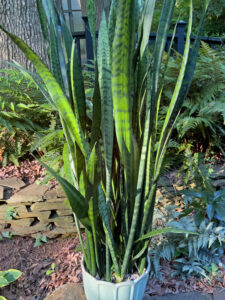
Before nighttime temperatures dip into the 50s, the great outdoors should be replaced by the cozy indoors for houseplants that have been vacationing on your deck, patio or porch. But first, give each plant a good blast of water to dislodge any lingering insects, and then closely inspect the leaves for signs of eggs — bugs-to-be that can cause problems inside this winter. If any weird little bumps or clusters are found, scrape them off with a dull knife. Even after you bring your houseplants inside, continue to inspect them every day or so for a few weeks, just to make sure any well-hidden or freshly hatched insects don’t pop out and cause problems.
- This month is a prime time for planting herbaceous peony tubers. Since these spring-blooming treats need a good chill to flower properly, only set the crowns about an inch below ground to prevent too much soil from insulating the tubers from beneficial cold weather.
- Keep patrolling your rose beds for any signs of black spot and snip off (as well as trash) any infected leaves. Since this is a soil-borne fungal disease that can overwinter in the garden, also rake up and dispose of fallen flowers and foliage.
About the Author
Share Your Thoughts
Have a question about this story or just want to share what you thought? We’d love to hear from you!
Related Stories
View All


