


Blood-twig dogwood ‘Midwinter Fire’
When in full bloom, white-flowering dogwoods (Cornus florida) are the bright beacons of yet another new spring, but as winter grips the garden, their leafless forms are dull visually and turn few heads. However, there are other dogwoods that, believe it or not, are at their beautiful best during the coldest times of the year.
Dogwoods that blossom in winter? Nope. Instead, there are interesting selections from the Cornus Clan that light up dreary winter landscapes with sassy shows of brightly colored branches.
One of the more common of these uncommon winter woody ornamentals is the red-twig or red osier dogwood (Cornus sericea). It is a native plant, actually, that is a shrub topping out at 6 to 8 feet, rather than a small tree like the typical dogwood. Also, while Cornus florida sports large flowers, the red-twig has clusters of modest, star-like blooms in the spring.
However, it is in the winter when this eye-catching oddity that is the red-twig dogwood literally shines. Its limbs, which are a muted burgundy during the warmer months, begin to take on a brighter glow accentuated by the low winter sun. And without leaves to hide the razzle-dazzle, this cold weather show is hard to miss and easy to appreciate. Many cultivars with even brighter branches than the native form have even been developed and include the selections ‘Isanti’, ‘Baileyi’, ‘Cardinal’ and ‘Arctic Fire’.
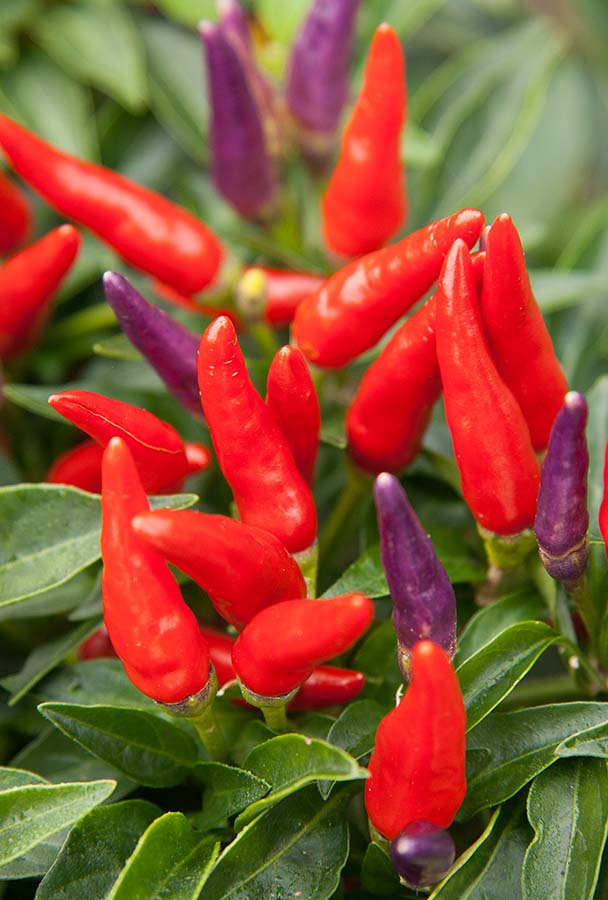
Tip of the Month
Christmas peppers can display their festive fruits through the Yuletide season and well into the New Year if certain basic needs are met. First, the pot should be free-draining, so remove any foil or plastic wrap. Water once a week, adding a diluted fertilizer solution every other feeding and occasionally misting the leaves. Also, place the pepper plant in the sunniest indoor spot possible (four hours of direct sun or more is ideal) but at least 6 inches away from cold windows. As a side note, resist the temptation to eat the fruit — most ornamental peppers are poor, pithy, seedy cousins of typical tasty hot peppers from the summer garden.
And just to make things confusing, there are yellow-twig cultivars of the red-twig dogwood. ‘Flaviramea’ has been a standard for years, but the newer ‘Bud’s Yellow’ boasts better disease resistance. Also, the double delight of ‘Silver and Gold’ glows with sizzling yellow limbs in the winter and snazzy variegated foliage in the summer.
Prefer variegated foliage with crimson-colored limbs? Try ‘Elegantissima’, a cultivar of the Tatarian dogwood (Cornus alba), which is native to China.
Finally, one more showoff to consider is the blood-twig dogwood (Cornus sanguinea), a European import that zaps muted winter landscapes with mingled streaks of red, orange and yellow. ‘Winter Flame’ and ‘Midwinter Fire’ are two worthy cultivars to consider.
All of these twiggy winter beauties will have brighter glows if planted in full sun. Also, since mature branches tend to dull over time, it is best to prune out older limbs in the early spring about every two to three years.
Garden to do’s
December
- Free plants! Try your hand at propagating hardwood cuttings of such plants as forsythia, holly, juniper, mock orange, spirea, viburnum and Japanese quince.
- Next year’s vegetable garden begins now! This month is a good time to try your hand at planting and growing asparagus. Two rust-resistant varieties are ‘Mary Washington’ and ‘Jersey Giant’. If you need to use wire to keep new tree plantings straight, slip a short piece of old hose onto the line and place it where it comes into contact with the tree. This prevents the wire from cutting into the bark.
- With less light and cooler temperatures, indoor plants grow slower, so cut back on fertilizer and water.
January
- Had your garden soil tested yet? The more you know about your garden’s ground now, the better you will be able to tend to your plants’ needs during the growing seasons.
- It is not too early to begin buying annual seeds from garden catalogs and online sites because new and in-demand varieties can sell out quickly.
- Early in the New Year, winter-flowering camellias (Camellia japonica) will begin displaying their beautiful blooms. Enjoy their show, but also be vigilant to rake up and dispose of any spent blossoms that drop to the ground. These fallen flowers are prime breeding material for petal blight, a fungal disease that can discolor future blooms with ugly splotches of brown.
About the Author
Share Your Thoughts
Have a question about this story or just want to share what you thought? We’d love to hear from you!
Related Stories
View All


