


Make sure your windows are closed and locked to reduce gaps that allow air to flow through and cause drafts.
Add coziness to your home
One way you can feel warmer in your home without turning up the thermostat is by making your home cozy. The way our bodies perceive the temperature of a room is based more on the surfaces in the room than the air temperature. In general, harder surfaces feel colder. For example, your tile floor will feel cooler than your fabric sofa.
Cold floors in a room make us feel colder. Adding an area rug to a hard-surface floor can make us feel warmer, even with the same setting on the thermostat.
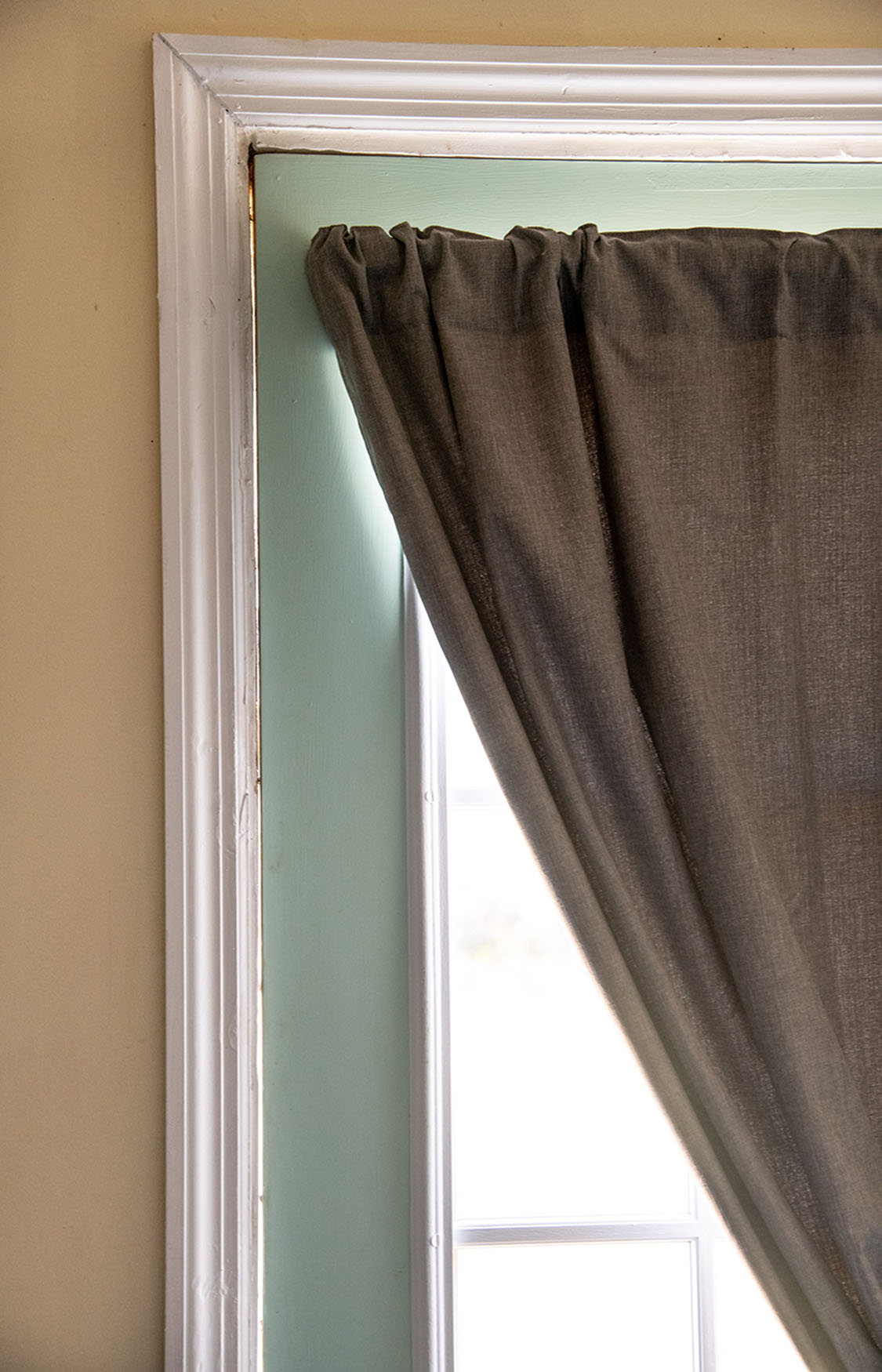
The same goes for windows. Windows are typically the least-insulated surface in a room and can feel cold in the winter months. Adding or closing curtains can help the room feel warmer.
Check your windows
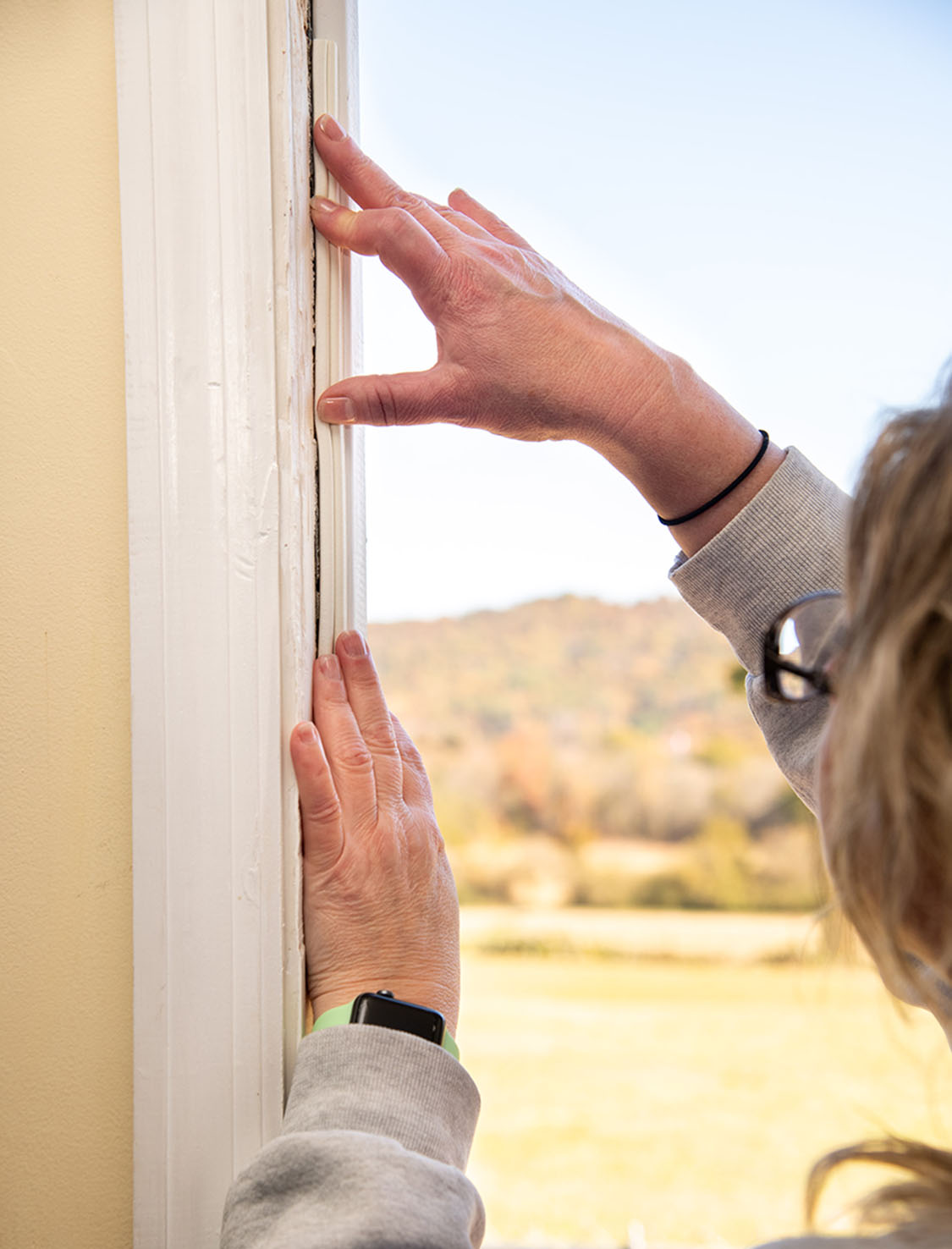
Make sure your windows are closed and locked. Locking windows pulls the sashes tighter together, reducing gaps that allow air to flow through and cause drafts. If your sash locks don’t form a tight fit, adjust them or add weatherstripping.
There’s a variety of window weatherstripping products available for less than $20. Most are simple to install and only require tools you most likely already have around the house, such as scissors and a tape measure.
Some are more permanent solutions, and some are intended to be used for one heating season and then removed. Temporary solutions such as caulk strips, putty, pull-and-peel caulking or window insulation films can be used if you rent your home and can’t make permanent changes.
Seal your doors
Weatherstripping doors is an easy do-it-yourself project. Make sure your doors seal tightly and don’t allow drafts to pass through around the edges or under the door.
Make sure any doors leading to an unheated space — outside or into a garage — are sealed tightly. If you can see light around the edges or underneath the door, or feel air movement when the door is closed, you know you are losing energy.
Because doors need to open and close easily, expect to do a bit of adjusting after installing weatherstripping. If weatherstripping isn’t installed correctly, it can make the door hard to close. Making it too loose defeats the purpose (you need to get it just right).
Close the damper
If you have a fireplace, make sure the damper is completely closed when not using it. Leaving the damper open is like leaving a window open, it’s just harder to see. The air you just paid to heat your home will go right out the chimney.
The only exception is some gas fireplaces need to remain open for gas fumes to exit the home. If you have a gas fireplace, check the owner’s manual for more information on the damper position.
Layer up
Dressing for the season prevents going overboard on your energy use. It can be tempting to adjust the thermostat to increase your comfort. Putting on a sweater or comfy sweatshirt can have the same comfort impact without increasing your energy use. Slippers can be a big help too, especially when your feet touch a cold floor.
The next time you consider turning up the thermostat a few degrees, try some of these tips first to stay warm and leave increased energy bills out in the cold.
About the Author
Share Your Thoughts
Have a question about this story or just want to share what you thought? We’d love to hear from you!
More ways to save energy


Make Yours a Smart Energy Home
Use these devices for more home automation and energy efficiency