


Photo by Mike Carraway
Chris Gailey, a Blue Ridge Energy member in Alleghany County, enjoys the abundant wildlife that frequents her farm. The attraction is a creek and pond, plus fruit trees. Chris says the deer are in her yard almost daily. Groundhogs also appreciate the apples and pears when in season.
“Many of the deer are so bold that they come up by the house and eat down the hostas in the summer. I am glad that I can provide them an all-you-can-eat salad bar,” she laughs.
Chris considers the wildlife that she sees a blessing.
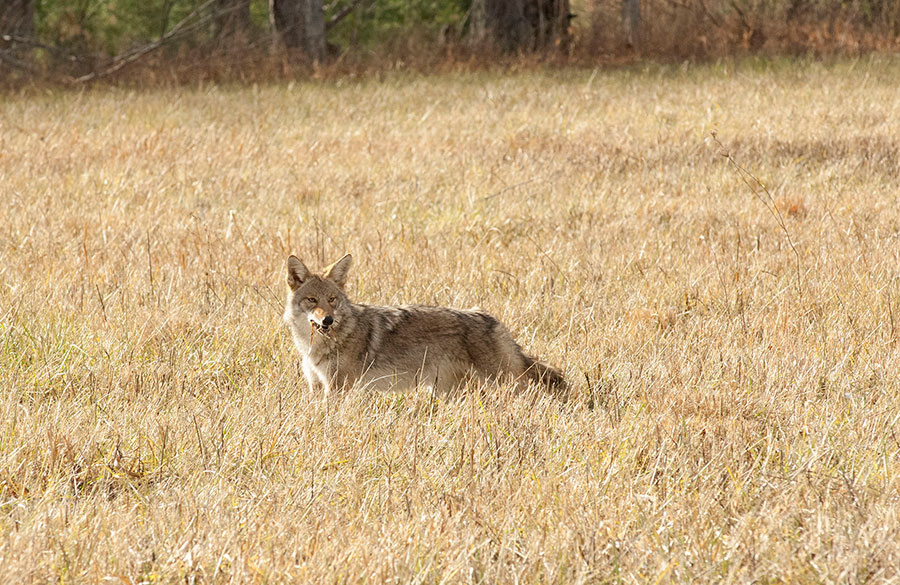
Photo by Missy McGaw
“I’ve even seen a Pileated Woodpecker, which was very exciting.”
Unfortunately, not everyone has as positive an experience with their wildlife neighbors. When the critters become a nuisance, causing damage or harm to pets or humans, we want to find ways to discourage or remove them from the property or neighborhood.
“There are some general techniques and preventative measures for North Carolina residents to prevent and alleviate issues with wildlife,” explains Falyn Owens, extension wildlife biologist with the North Carolina Wildlife Resources Commission. “Keep in mind that wild animals are in search of food, water, shelter and safety. Eliminating these attractions on your property can greatly reduce wildlife problems.”
Playing Opossum
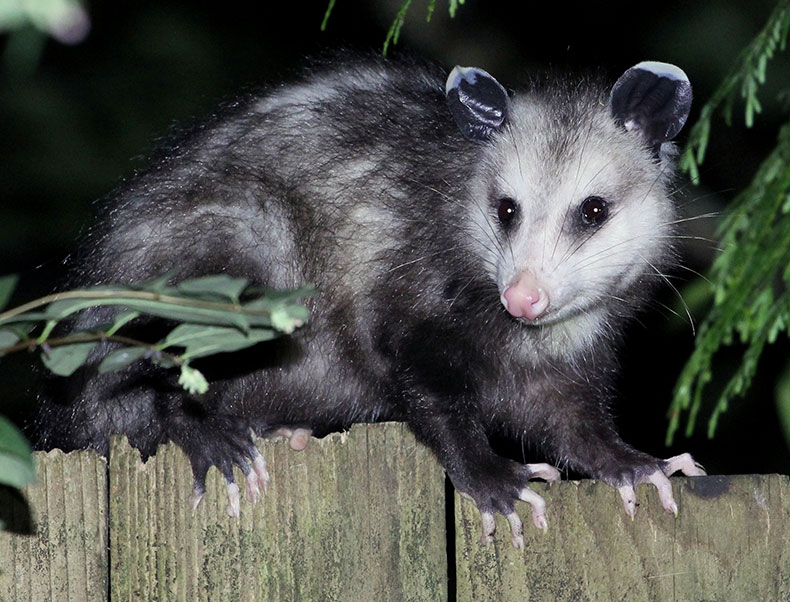
Christina Craft, a Tideland Electric member in Washington County, had a humorous experience with an opossum.
Her large German Shepherd, Major, brought a live opossum into the house one night. The back-porch light wasn’t working, so when she called Major in, she didn’t notice he had something in his mouth until he was at the steps. She told him to drop it, which he did — in the doorway. It first appeared to be a dead opossum.
Christina grabbed the broom to scoot it out of the door, but the opossum came alive and ran into the house. She finally, with help from her family, cornered it in the bathroom and ushered it back outdoors.
According to the commission, preventative measures you can take include these tips:
- Do not feed wildlife. This can cause animals to lose their natural fear of humans and they will seek out humans for food. Putting out food to attract wild animals is bad for them, and can result in problems for people and pets. Do not throw food scraps out into the yard.
- Do not leave pet food outside. Remove food bowls when pets are not eating and keep bags of food inside or in a secure container.
- Install secure bird feeders that exclude non-target species such as squirrels, raccoons and bears. Remove feeders immediately if a bear has been visiting them.
- Close crawl spaces and other openings under houses, porches and outbuildings. Animals will utilize these spaces to den and raise their young.
- Trim tree limbs around structures to prevent wild animals from getting access to your house, bird feeders and outbuildings.
- Protect gardens, beehives and chickens with fencing. Chicken wire, buried underground and then bent in an outward, 90-degree angle for 6–12 inches can prevent animals from burrowing underneath. A line of electric wire strung above fencing can prevent animals from going over the fence. Free-ranging chickens and other small livestock are highly vulnerable to predation by several wildlife species. Beehives in bear county can be protected with electric fencing to prevent damage.
- Keep small pets contained, leashed or supervised when outside. Domestic pets left alone outside become vulnerable to interactions with wildlife and should not be left to roam the property alone, especially at night.
- Basic hazing (such as making loud noises or waving arms at encroaching wildlife) should be used to communicate to wild animals that your yard is not a welcome area.
- Communicate with neighbors about wildlife issues you are experiencing. A local group effort is crucial to remedying issues.
- Not all wildlife encounters are limited to people living in the country. Opossums, raccoons, foxes, deer, coyotes and even beaver have shown up in urban backyards as we clear more and more land for development. In most cases, if left alone they will move on — unless living gets too easy in the city.
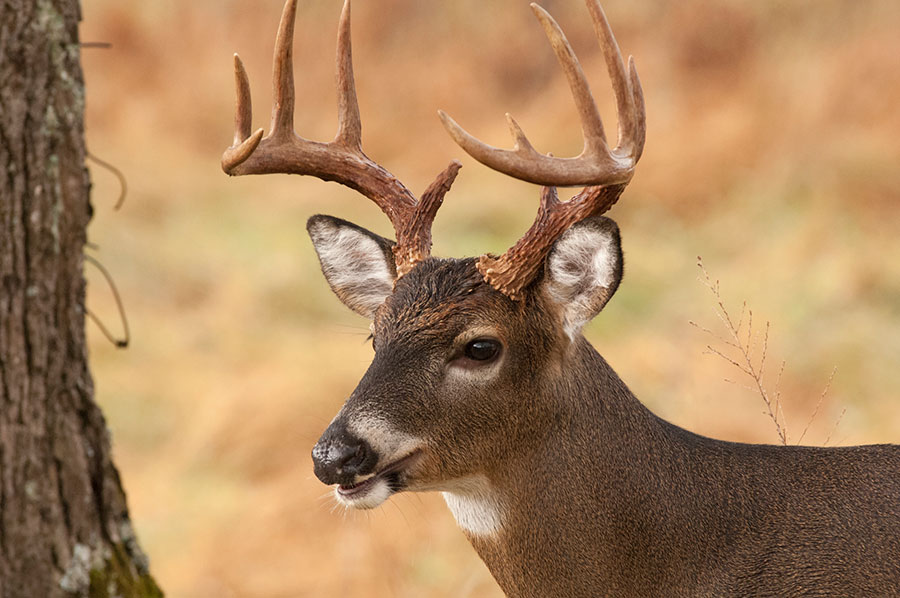
Photo by Missy McGaw
The NC Wildlife Commission gives several reasons why feeding is harmful to animals. In addition to losing their fear of humans, it increases populations because the more food the animal eats, the more offspring it likely will have. It also brings animals together in larger than normal numbers, which causes the spread of disease within the species as well as to pets and humans. The food itself can make the animal sick since it is not part of their natural diet.
“The best thing you can do to care for the wild animals on your property is to give them habitat, not handouts,” Falyn says. “Naturescaping is a great way to provide the animals with natural sources of food and shelter that will not put them in danger the way a human-provided food source will. You will still be able to enjoy wildlife on your property, but in a way that helps maintain their healthy natural behaviors.”
Have a wildlife problem?
If you have a problem with wildlife at your home or business, the NC Wildlife Resources Commission will help you find a solution. Visit ncwildlife.org or call the NC Wildlife Helpline at 866-318-2401 (weekdays 8 a.m.–5 p.m.).
About the Author
Share Your Thoughts
Have a question about this story or just want to share what you thought? We’d love to hear from you!
Wildlife in NC

Alligators in North Carolina
Protecting — and staying safe around — our state’s wild gators


Keeping Wildlife Wild
Attract and enjoy watching animals while helping them remain wild