


Black bears exploring suburbia
Once near extinction in the 1900s, black bears have made a remarkable comeback, reclaiming the state’s mountain and coastal regions. Young males often roam between these areas searching for a spot with abundant food and not too many other dominant males to compete with. This explains one bear’s extended stay in Mecklenburg County in spring 2024, casually exploring the area and swimming in a resident’s pool.
Despite their size, black bears are typically shy and non-aggressive, preferring to avoid humans. They may wander into neighborhoods if they smell food, so being “BearWise®” by securing trash, pet food and bird feeders is essential. (More tips are at bearwise.org.) Spotting a bear isn’t cause for alarm and can be a once-in-a-lifetime experience, but if you encounter one up close, back away slowly while making loud noises to encourage it to retreat.
Source: Queen City News
Alligators in unlikely spots
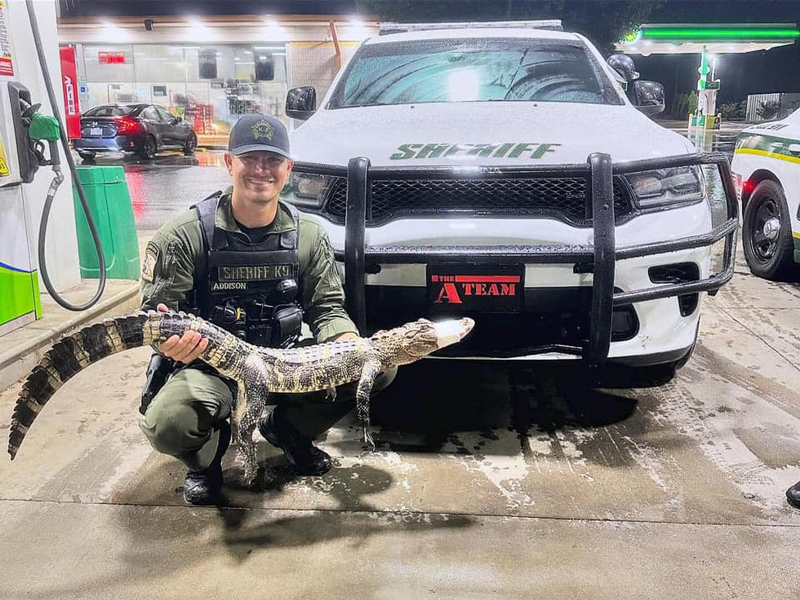
The Rowan County Sheriff’s Office worked with other agents and the NC Wildlife Resources Commission to remove an alligator from a road in Spencer.
These intriguing dragon-like reptiles can usually be found in the cool freshwater of coastal North Carolina, basking, lounging or lying in wait. However, they made headlines in August 2024 when a three-foot-long alligator was spotted ambling down a road in Rowan County, far from its natural range. Rowan County Sheriff’s Office Corporal Randal Addison (pictured, opposite page) worked with other agents and the NC Wildlife Resources Commission to remove the gator, which they believe may have been a former pet, kept illegally and released once it got too big for the owner to handle.
Unusual sightings are also becoming more common in coastal areas impacted by development. For instance, a 12-foot alligator recently claimed a Brunswick highway as its own, while two other alligators turned up in a flooded front yard after heavy rains. Though the sight of these reptiles may be alarming to some, they are typically timid and avoid humans. The NC Wildlife Resources Commission advises keeping pets leashed and not feeding wildlife near alligator habitats. Most importantly, leave them alone as they tend to move on naturally.
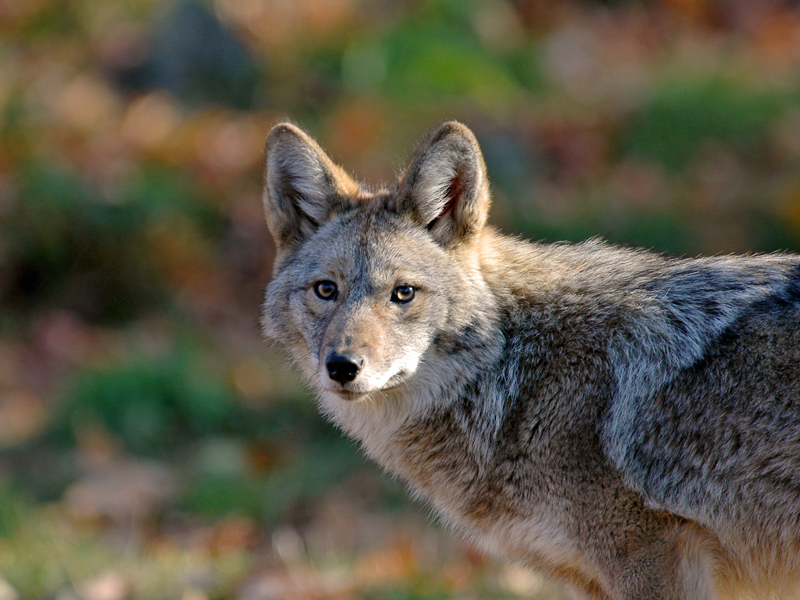
Coyotes, masters of adaptation
Coyotes thrive in North Carolina’s diverse landscapes from forests to urban areas, and their adaptability can lead to startling encounters. In July 2024, a Union County high school parking lot became the setting for an unexpected daytime visit from one of these clever canines.
Though generally harmless, coyotes can become bold if they’ve been finding a lot of food around people, especially if they think a snack is within easy reach. To scare off bold coyotes, stand your ground, wave your arms and make loud noises until they leave. Protect small pets by staying close and walking them on a leash or keeping them inside a 6-foot fence when outside. Remove or secure food items that might attract coyotes to prevent conflicts near your home.
As development encroaches on natural habitats, wildlife sightings in unusual places are likely to increase. By taking precautions and respecting these animals from a distance, residents can help ensure both human and animal safety. For more information on North Carolina’s wildlife, visit NCWildlife.org. Stay informed, stay safe and enjoy the incredible biodiversity that makes this state so unique.
Help with Unwelcome Wildlife
If you have an unexpected “guest” on your property causing concern, the NC Wildlife Resource Commission offers technical guidance and resources to help prevent or manage conflicts with wildlife. Wildlife control agents (WCAs) are trained and certified by the Commission and are authorized to issue depredation permits to North Carolina residents who are having wildlife damage problems. Where damage is occurring, WCAs can also issue permits for certain species on-the-spot, or may remove the animal directly.
Before you contact a WCA, follow these steps:- Identify the species of wildlife involved.
- Consider the preventative measures above to reduce interactions with wildlife.
- Be certain the animal is causing property damage so as to require action.
If these measures fail to resolve the wildlife-caused damage, visit NCWildlife.org to locate and contact a wildlife control agent, or call the Wildlife Helpline at 866-318-2401 (Monday–Friday, 8 a.m. to 5 p.m.)
About the Author
Share Your Thoughts
Have a question about this story or just want to share what you thought? We’d love to hear from you!
More Carolina wildlife


Truth or Fiction: Top Misconceptions About Snakes
Are snakes as scary as we make them seem?